

An offshore crane sits idle after an unexpected failure. A forklift breaks down in a warehouse and production comes to a standstill. A technician has to drive a hundred kilometers to a construction site just to diagnose an error code. These scenarios have one thing in common: all of them could be avoided, or at least managed in advance, with a telemetry system for mobile machinery, the core of modern heavy equipment telematics.
In this technical guide, we explain what industrial telemetry is and how it works in practice. We also look at what it is used for in lifting and material handling, from crane telematics to forklift telematics, and the advantages it offers over traditional maintenance. This is not technology reserved for large manufacturers: today, telematic systems can be integrated into machines already in your fleet through retrofit solutions that do not require replacing the onboard electronics.
What is Telemetry? Definition and meaning in an industrial context
Before getting into practical applications, it helps to clarify exactly what telemetry means. The term is often used loosely and confused with related but distinct concepts.
What is industrial telemetry?
Telemetry is the automatic collection of data from a machine and its transmission to a central platform, in real time or at set intervals. The word comes from the Greek tele (far) and metron (measure): literally, measuring from a distance. In industrial settings, the data collected includes temperatures, pressures, speeds, positions, working hours and fault codes.
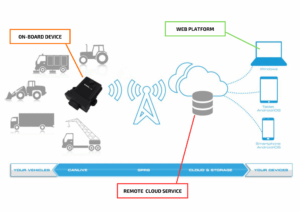
In practice, a telemetry system installed on a crane continuously reads the machine’s operating parameters through its onboard electronics. It then transmits them over a mobile network or satellite to a cloud platform and makes them available, in readable form, to the fleet manager or service technician.
Telemetry vs Telematics vs Monitoring: What’s the difference?
These three terms are often used interchangeably, but each has a precise technical meaning.
- Monitoring is the activity of observing a state over time: it tells you what is happening at a given moment.
- Remote telemetry is the tool that makes remote monitoring possible: the flow of data travelling from the machine to the platform.
- Telematics, finally, is the broader concept. It combines telemetry with location data, software and analytics to interpret what the data means, including diagnosing causes and predicting future behavior.
In short: telemetry produces the data, monitoring reads it, telematics interprets it. For effective fleet management, all three layers are needed and they work together.
What is telemetry used for on cranes and lifting equipment?
Knowing what telemetry means is the starting point. Understanding what it is used for in practice, however, is what lets a company judge its real value.
Crane Remote Diagnostics: Identifying problems before they become failures
The most immediate benefit of heavy equipment telematics is remote diagnostics for heavy equipment: the ability to read a machine’s health without being physically present. Thanks to data transmitted in real time through remote diagnostic software for heavy equipment, a technician can check active fault codes and monitor critical parameters such as hydraulic pressure or oil temperature. They can also assess whether an anomaly needs urgent action or can be scheduled calmly.
This approach shifts maintenance from reactive (you intervene when the machine stops) to predictive (you intervene when the data shows something is about to deteriorate). With crane predictive maintenance, the result is a significant reduction in unplanned equipment downtime, along with all the costs and operational delays that come with it.

Remote maintenance of machines and equipment: plan ahead instead of chasing failures
Remote maintenance of machines and equipment is the direct evolution of remote diagnostics. When the system flags that a component is nearing the end of its service life, for example that the hydraulic oil is running out of working hours or that vibrations on a gearbox have exceeded a critical threshold, the fleet manager can schedule the work at the most convenient time, without waiting for a breakdown.
This approach reduces both emergency repair costs and the risk of downtime at critical moments, which is a big part of how construction telematics reduces costs over time. It also optimizes service logistics: the technician arrives at the machine already knowing what needs to be done, with the right spare part on hand.
Remote technical support: solving problems without sending a technician
Remote technical support is one of the most concrete benefits for companies with fleets spread across distant job sites or offshore platforms. When a machine reports an error, the specialist technician connects remotely to the onboard electronics through remote access for mobile machinery. From there, they read parameters in real time, run tests with a heavy equipment diagnostic tool and, in many cases, fix the problem without leaving the office.
All of this means faster response times, lower travel costs and less pressure on technical staff. For offshore cranes, where every trip carries a high logistical cost, the savings can be substantial.
How a telematics system for mobile machinery works
Understanding how industrial telemetry works helps you judge which solutions can truly be integrated with your fleet.
The data transmission chain
A telemetry system for remote control of mobile machinery is made up of three main elements:
- The onboard device: a telematics control unit (TCU) installed on the machine that connects to its electronics through a CAN bus interface (J1939 or CANopen protocol). It collects operating data in real time: pressures, temperatures, engine hours, fault codes and GPS position.
- The transmission channel: data is sent to the cloud platform over a mobile network (4G/5G), Wi-Fi or satellite, depending on the connectivity available in the operating area.
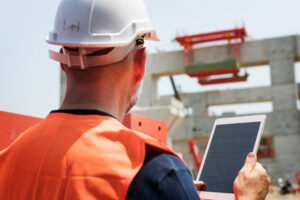
- The software platform: the telematics software receives, processes and displays the data on dashboards accessible from a PC or tablet. From there, the fleet manager monitors all machines in real time, receives automatic alerts when anomalies occur and generates periodic reports.
How to read telemetry data: the metrics that matter
Having access to telemetry data is only useful if you know how to read it. The most relevant parameters for cranes and lifting equipment are:
- Actual working hours: they distinguish engine-on hours from active working hours, giving a precise measure of real wear
- Active and historical fault codes: they help identify recurring anomalies and track how they evolve over time
- Hydraulic pressure: a critical parameter for cranes, directly tied to the lifted load and the health of the circuit
- Operating temperatures: of the oil, the engine and the electronics; abnormal values often signal imminent failures
- GPS position: essential for crane fleet management across multiple job sites or locations
Good telematics software does more than display this raw data. It correlates the values, compares them against the manufacturer’s operating thresholds and generates smart alerts when something deviates from the norm.
Forklift telematics: real benefits in the warehouse
Telematics for forklifts is now one of the most mature application areas. In a warehouse with dozens of active trucks running multiple shifts, managing maintenance the traditional way, waiting for the truck to break down before stepping in, is an approach that no longer holds up.
A forklift telematics system, together with forklift tracking software, makes it possible to:
- Monitor the usage of every truck through real time forklift tracking, identifying the most heavily used
- Automatically receive error codes and assess their severity remotely
- Schedule maintenance based on actual working hours, not fixed intervals
- Detect shocks and abnormal impacts, useful for managing operational responsibility
- Control access to the truck, allowing only authorized staff to start it
The result is fewer unplanned breakdowns and a longer service life for your equipment. It is no surprise, then, that remote diagnostics for forklifts and industrial vehicles is now considered standard in large fleets, alongside forklift tracking systems and forklift fleet tracking.
Remote diagnostics for earthmoving equipment: construction sites and offshore
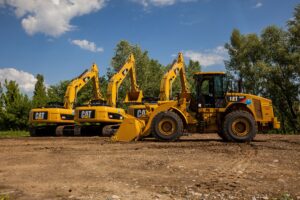
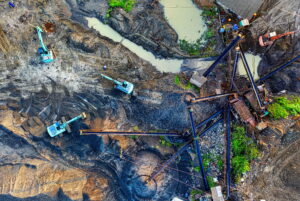
Remote diagnostics for earthmoving equipment follows the same logic, with different operating challenges. Excavators, wheel loaders and dumpers work in extreme environments (dust, intense vibration, heavy duty cycles) that speed up component wear and make traditional maintenance hard to manage, which is exactly where telematics solutions for construction and construction telematics prove their value.
How Telematics improves fleet management: three levels of benefit
Construction equipment telematics delivers concrete benefits on three distinct levels.
- It enables remote fleet monitoring: knowing where machines are, how many hours they are working and under what operating conditions.
- It makes predictive maintenance possible: acting before a component fails, avoiding downtime at the most critical moments.
- It supports access management and safety: verifying that every machine is operated by qualified personnel and that operating limits are not exceeded.
For cranes and machines on offshore platforms, the benefits of telematics in construction and lifting are amplified even further. Every technical trip carries a high logistical cost. Therefore, being able to diagnose and solve a problem remotely is not just a competitive advantage: it is often a real operational necessity.
Telematics systems and Compatibility with existing machines
One of the most important considerations when evaluating telematics systems is compatibility with the onboard electronics already in place. Most mobile machines built in the last twenty years (cranes, forklifts, aerial work platforms, earthmoving machines) use the CAN bus protocol as the communication backbone between control units.
This is a fundamental strength. A CAN bus telematics device can be installed on an existing machine without modifying the original electronics, reading all the data already produced by the onboard sensors. There is no need to add new sensors or replace components: the system integrates as an additional layer on top of the existing infrastructure.
This makes telematic technology particularly well suited to retrofitting machines already in the fleet, an approach we cover in our guide to retrofitting industrial machinery, and places it firmly within the Industry 4.0 ecosystem for lifting equipment and the wider world of industrial IoT for heavy equipment.
3Bmust Telemetry: Integrated Remote Control for cranes and mobile machinery
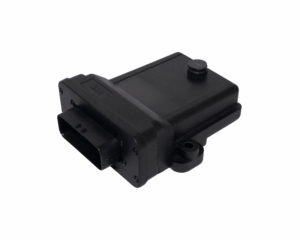 3Bmust develops telemetry solutions designed specifically for the industrial lifting sector: tower cranes, mobile cranes, aerial work platforms, telehandlers and forklifts. Unlike generic equipment telematics systems, 3Bmust solutions are built on direct integration with onboard safety systems: the load limiter, hydraulic pressure sensors and anti-two-block devices.
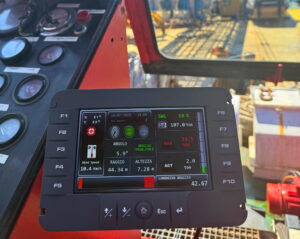
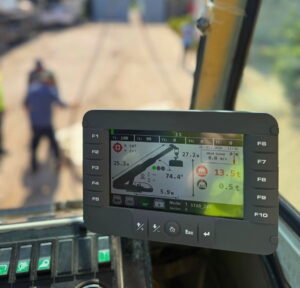
This means the data transmitted is not just generic operating parameters. It is structured safety data: boom angle, lifted weight in real time, the status of active protection devices and any active alarms on the system. A fleet manager or service technician can read it remotely with the same precision as someone physically in the cab.
Knowing what heavy equipment telematics can do is the starting point. Choosing a solution designed for your own type of machine, however, is what makes the difference in the field.
Discover 3Bmust telemetry solutions or contact us directly: our technical team is available to help you find the right solution for your fleet.
FAQ: Heavy Equipment Telematics and Remote Diagnostics
What is telemetry and what is it used for on industrial machinery?
Telemetry for mobile machinery is the automatic collection and transmission of operating data from a machine to a central platform in real time. On cranes and other mobile machinery, it is used to monitor the machine’s condition remotely, diagnose faults without a physical visit and plan maintenance predictively. In short, it turns maintenance from reactive into proactive.
What is the difference between telemetry and remote diagnostics?
Telemetry is the system that collects and transmits data from the machine. Remote diagnostics for heavy equipment, on the other hand, is the activity that uses that data to identify anomalies and assess the machine’s health from afar. The two are complementary: without telemetry, effective remote diagnostics is not possible.
Are telematics systems compatible with machines already in the fleet?
In the vast majority of cases, yes. Modern telematics systems connect to the onboard electronics through the CAN bus protocol, which is present on nearly all mobile machines built from the 2000s onward. This makes them installable as a retrofit on existing machines, without modifying the original control units or sensors.
What can you do with remote technical support?
With remote access to the onboard electronics, a specialist technician can read operating parameters in real time, check active fault codes and run diagnostic tests. In many cases, they solve the problem without traveling. For offshore cranes or machines on distant job sites, this dramatically cuts costs and response times.
What is the difference between telemetry, telematics and monitoring?
Monitoring shows what is happening at a given moment. Telemetry is the data flow that makes remote monitoring possible. Telematics, finally, combines that data with location, software and analytics to understand why a machine behaves in a certain way and what is likely to happen next. For effective fleet management, all three layers are needed and they complement one another.
No comment yet, add your voice below!